Health and Safety Policy for Carpet Cleaners TW10
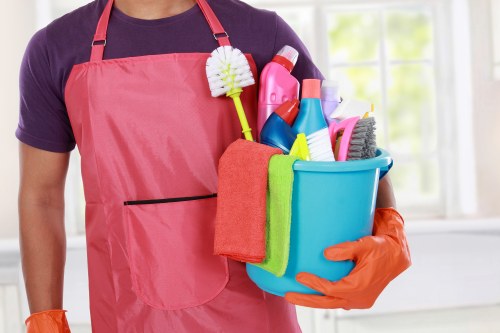 Our health and safety policy is designed to protect staff, customers, and property during every stage of carpet cleaning. For a carpet cleaner in TW10, safe working practices are essential because each job may involve water, electricity, cleaning chemicals, lifting, and moving furniture. We aim to reduce risk through clear procedures, proper training, and consistent supervision.
This policy applies to all operatives, supervisors, and anyone supporting carpet cleaning services. It covers planning, equipment use, manual handling, chemical control, emergency response, and safe conduct within homes and commercial premises. We expect every worker to take responsibility for their own safety and the safety of others.
We are committed to complying with current health and safety duties and to maintaining a workplace culture where hazards are reported early and managed promptly. Our approach is based on prevention, careful observation, and regular review. The goal is to ensure that every carpet cleaning job is completed efficiently without unnecessary danger.
General Responsibilities
Management is responsible for implementing safe systems of work, providing suitable equipment, and ensuring workers are trained to use it correctly. Employees must follow instructions, wear any required protective equipment, and stop work if conditions become unsafe. A carpet cleaner TW10 must never assume that a task is routine simply because it has been performed many times before.
All staff are expected to carry out a basic risk assessment before starting work. This includes checking access routes, floor conditions, ventilation, power supply, and the presence of children, pets, or vulnerable occupants. If a hazard cannot be controlled immediately, the job should be delayed until the risk is reduced.
 Communication is central to our policy. Workers should share relevant safety information with the customer or occupier when necessary, especially where drying times, restricted access, or temporary movement of items may affect use of the area. Clear communication helps prevent slips, trips, and accidental damage.
Safe Working Practices
Before cleaning begins, equipment must be inspected for defects, leaks, worn cables, or unsafe fittings. Only equipment that is clean, serviced, and suitable for the task should be used. Electrical items must be handled with particular care, especially where water is present. Leads should be positioned to avoid trailing hazards, and plugs must never be touched with wet hands.
Cleaning solutions should be used exactly as directed by the manufacturer. Stronger mixtures do not improve results and may create unnecessary exposure to fumes or residues. Workers should avoid mixing products unless the instructions explicitly allow it. If a product can irritate skin or eyes, gloves and eye protection should be used where appropriate.
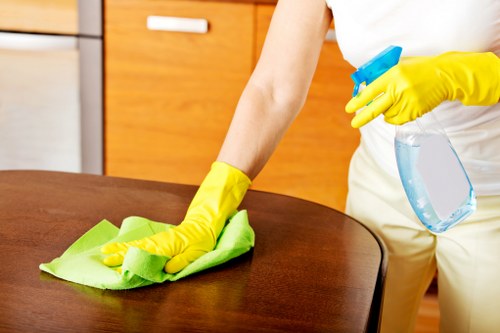 Ventilation is important when working indoors. Doors or windows may need to be opened to reduce buildup of moisture and chemical vapour. In confined areas, extra caution should be taken to prevent discomfort or poor air quality. A professional carpet cleaner in TW10 should always adapt methods to the setting rather than using a fixed approach for every job.
Manual Handling and Furniture Movement
Carpet cleaning often involves moving light furniture, lifting machines, and carrying water containers. To reduce strain, staff should assess each item before moving it and use team lifting where needed. Individuals must not attempt unsafe lifts or awkward movements. If an object is too heavy or unstable, it should be left in place or handled with assistance.
Where furniture must be moved, protective pads or sliders may be used to prevent damage to floors and reduce friction. Care should also be taken to check for sharp edges, unstable legs, or concealed items that could fall. Workers should maintain a clear route and keep their posture balanced and controlled.
Repeated bending and pushing can cause fatigue, so tasks should be paced sensibly. Breaks may be necessary on larger jobs. Good manual handling practice supports both safety and productivity, and it helps ensure that a TW10 carpet cleaner can work effectively throughout the day.
Control of Hazards and Incident Response
Spillages must be cleaned promptly to prevent slips. Wet areas should be marked or restricted until they are safe to walk on. If a customer’s property includes delicate surfaces, extra precautions should be taken to avoid overspray, staining, or over-wetting. Carpet cleaning should leave areas hygienic and well maintained, not create new hazards.
In the event of a chemical splash, skin irritation, electrical fault, injury, or other incident, work must stop immediately. First aid should be provided by a competent person if available, and emergency services should be contacted where required. All incidents, near misses, and defects must be reported so that corrective action can be taken.
We review incidents to identify patterns and improve controls. This may lead to revised methods, additional training, or replacement of unsuitable equipment. Continuous improvement is a key part of our carpet cleaners TW10 safety commitment.
Training, PPE, and Review
 All workers receive training relevant to their duties, including safe equipment use, chemical awareness, customer-site conduct, and emergency procedures. New employees are supervised until they demonstrate the required competence. Refresher training is provided when procedures change or when a risk review shows additional support is needed.
Personal protective equipment may include gloves, non-slip footwear, eye protection, or other items suited to the task. PPE must be kept clean, used correctly, and replaced when damaged. However, PPE is only one part of the safety system and should never be treated as the only control measure.
We review this policy regularly to ensure it remains effective and relevant. Updates may be made after changes in equipment, law, or working methods. Our aim is to provide a reliable standard of protection for every carpet cleaner TW10 job, from initial setup through to final inspection.
 Every person involved in our work has a role in maintaining a safe environment. By following agreed procedures, using equipment responsibly, and reporting concerns early, we can deliver carpet cleaning services that are both professional and safe. This policy supports a culture of care, accountability, and sensible risk control on every site.